The 10 Greatest Female Chess Players of All Time
⚡ Quick Answer
- Judit Polgár (Hungary) is the strongest female player in history — peak FIDE rating 2735 (July 2005) and world No. 8, the only woman ever ranked in the top ten.
- Hou Yifan (China) is second on strength: peak 2686 (March 2015) and four Women's World Championship titles.
- Vera Menchik was the first Women's World Champion and held the title from 1927 until her death in 1944, never losing a title match.
- Ju Wenjun (China) is the reigning Women's World Champion — five titles, most recently in 2025.
- This list is ranked on strength in open competition, world titles, historical impact and longevity — the exact weightings are shown below.
📜 On this page
How This List Was Ranked
Every "greatest of all time" list starts an argument, so here is exactly what was measured, in order of weight:
- Strength in open competition (~40%) — peak FIDE rating, peak world ranking, and results against the strongest players of the day regardless of gender. This is the only genuinely objective measure available.
- World titles and how long they were held (~30%) — one championship and a thirteen-year reign are not the same achievement.
- Historical impact (~20%) — who came first, who broke a barrier, who changed what was thought possible.
- Longevity and breadth (~10%) — Olympiad medals, World Cups, rapid and blitz titles, and how many years a player stayed at the top.
The 10 at a Glance
| # | Player | Country | Peak FIDE | Title | Era |
|---|---|---|---|---|---|
| 1 | Judit Polgár | Hungary | 2735 (Jul 2005) | GM (1991) | 1988–2014 |
| 2 | Hou Yifan | China | 2686 (Mar 2015) | GM (2008) | 2007–present |
| 3 | Vera Menchik | Czechoslovakia / England | Pre-rating era | — | 1926–1944 |
| 4 | Maia Chiburdanidze | Georgia (USSR) | 2560 (Jan 1988) | GM (1984) | 1977–2010s |
| 5 | Nona Gaprindashvili | Georgia (USSR) | 2495 (Jul 1987) | GM (1978) | 1961–1990s |
| 6 | Susan Polgár | Hungary / USA | 2577 | GM (1991) | 1984–2000s |
| 7 | Ju Wenjun | China | 2604 (Mar 2017) | GM (2014) | 2010–present |
| 8 | Xie Jun | China | 2574 | GM (1993) | 1988–2004 |
| 9 | Koneru Humpy | India | 2623 (Jul 2009) | GM (2002) | 2000–present |
| 10 | Alexandra Kosteniuk | Russia → Switzerland | 2561 (Jan 2018) | GM (2004) | 2000–present |
1Judit Polgár (born 1976)
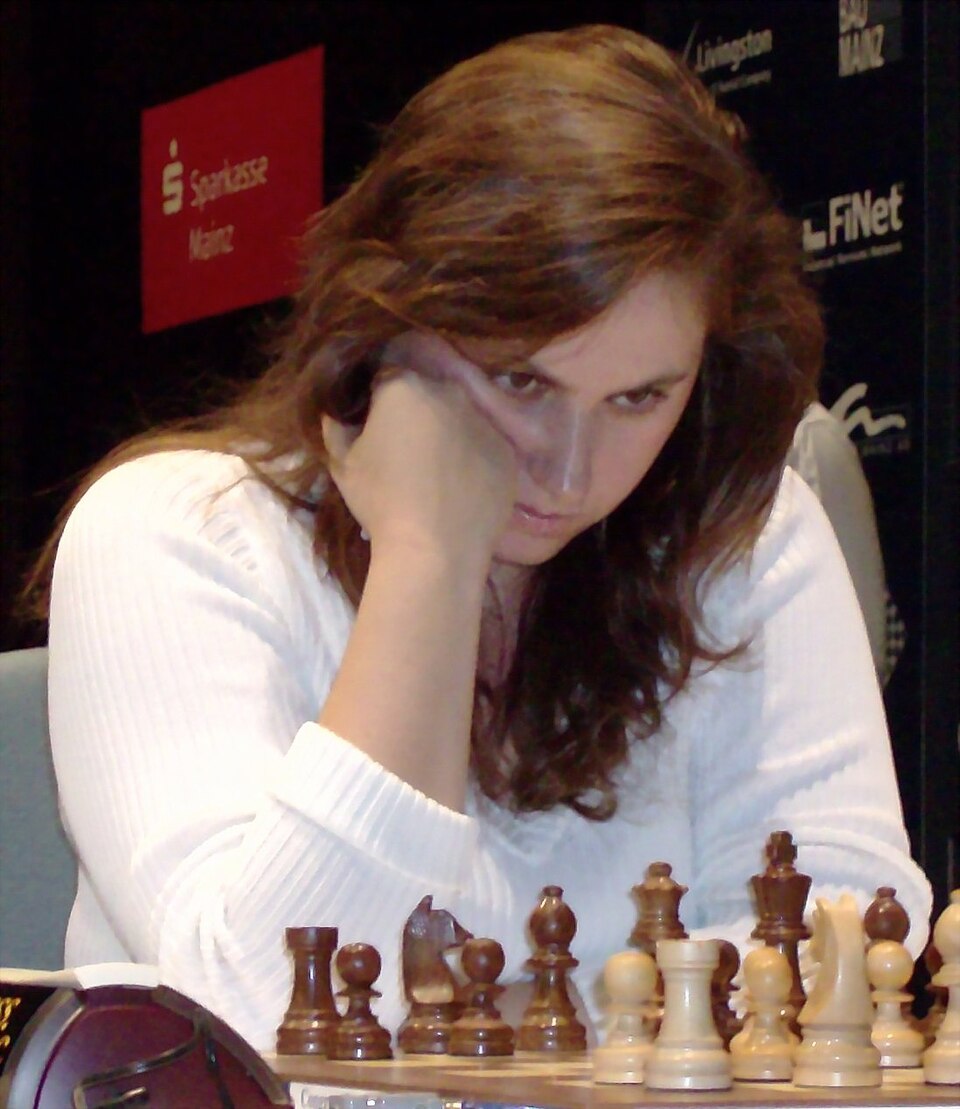
Judit Polgár is the strongest woman ever to play chess, and it is not a close call. She earned the grandmaster title in 1991 at 15 years and 4 months, breaking Bobby Fischer's long-standing record for the youngest GM. In January 2004 she reached world number 8 — still the only time a woman has appeared in the world top ten.
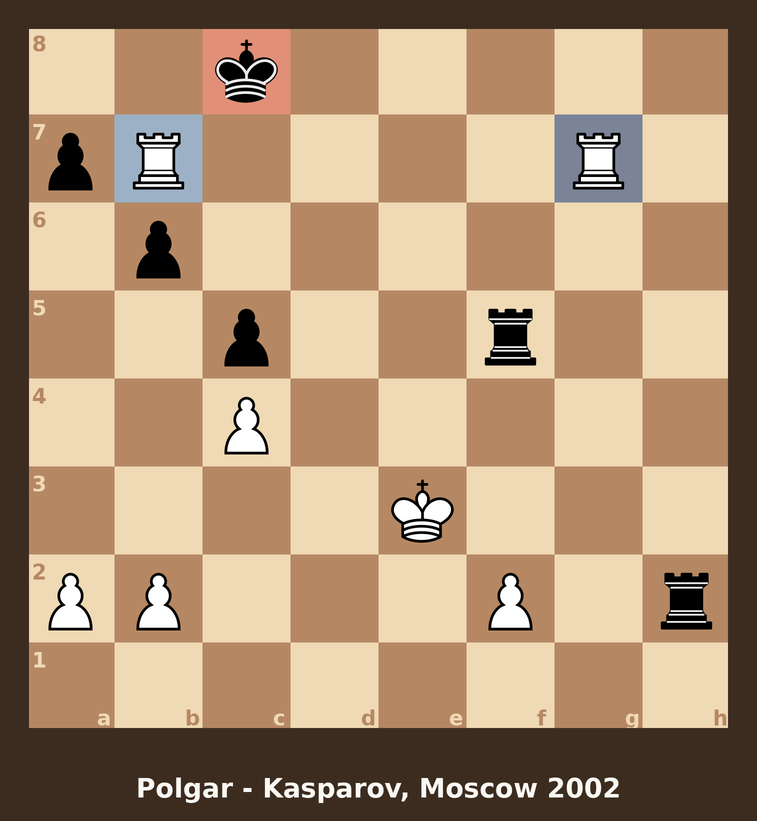
She beat eleven current or former world champions over her career: Garry Kasparov, Anatoly Karpov, Viswanathan Anand, Vladimir Kramnik, Boris Spassky, Vasily Smyslov, Veselin Topalov, Magnus Carlsen, Ruslan Ponomariov, Alexander Khalifman and Rustam Kasimdzhanov. The most famous of those wins is in the diagram at the top of this page: Moscow, 9 September 2002, in the Russia versus the Rest of the World match, where she beat Kasparov — then the world's top-rated player at 2838 — in a Berlin Defence that turned into a long, technical rook endgame.
What made her different: her style was sharp, direct and unafraid — she attacked strong players the same way she attacked weak ones. Just as important was a decision made early: raised with her sisters in her father László Polgár's famous educational experiment, she refused to enter the Women's World Championship at all, playing open events for her entire career.
Today: she retired from competitive chess in August 2014 and now works in chess education and promotion in Hungary, including the Global Chess Festival she founded.
2Hou Yifan (born 1994)
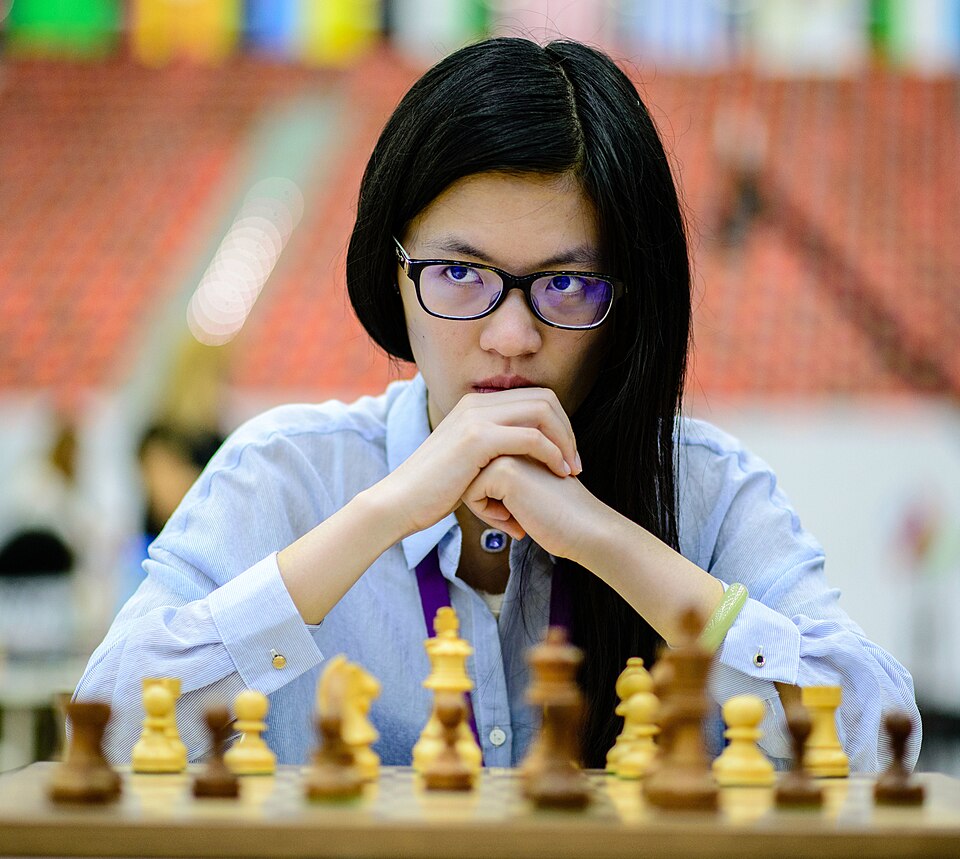
Hou Yifan is the second-strongest woman in history and the strongest active one. She qualified for the grandmaster title in 2008 at 14, and in 2010 became the youngest Women's World Champion ever at 16. She won the title four times — 2010, 2011, 2013 and 2016 — and her peak rating of 2686 has been bettered by only one woman.
What made her different: a classical, universal style with unusually clean technique, and a willingness to play open super-tournaments rather than only women's events. Like Judit Polgár before her, she grew visibly frustrated with a women's title cycle she was dominating, and eventually stepped away from it.
Today: she took a Rhodes Scholarship to Oxford in 2018, and in 2020, aged 26, became the youngest full professor in the history of Shenzhen University. She has been largely inactive as a competitive player since, appearing occasionally in team and exhibition events.
3Vera Menchik (1906–1944)
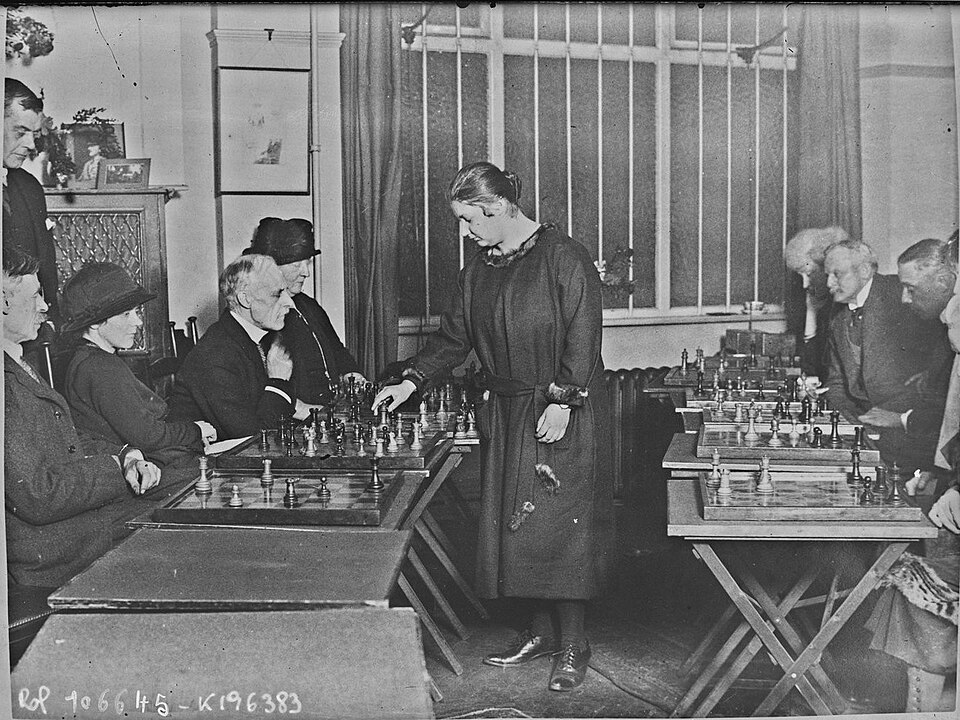
Vera Menchik was the first Women's World Champion and held the title from 1927 until her death in 1944 — nearly seventeen years, the longest reign in the history of the championship. She won the title eight times and never lost a match for it.
She placed third on pure playing strength but this high on impact, because she was the first woman to compete seriously in strong open tournaments at a time when that was close to unthinkable. She beat Max Euwe twice at Hastings, in 1930/31 and 1931/32 — Euwe would become World Champion in 1935 — and also beat Mir Sultan Khan.
The Menchik Club: before the Carlsbad 1929 tournament, the master Albert Becker mockingly proposed that any player who lost to her should join a "Vera Menchik Club". Becker lost to her at that very tournament and became its first member. Both Euwe and Sir George Thomas ended up with losing records against her.
Legacy: she was killed on 26 June 1944 when a V-1 flying bomb destroyed her home in Clapham, London; her mother and her sister Olga died in the same attack. She was 38. The trophy for the winning team at the Women's Chess Olympiad is named the Vera Menchik Cup.
♙ Play in the Same Rooms, Free
Classic rooms, real opponents and Elo ratings — no download, no signup needed.
4Maia Chiburdanidze (born 1961)
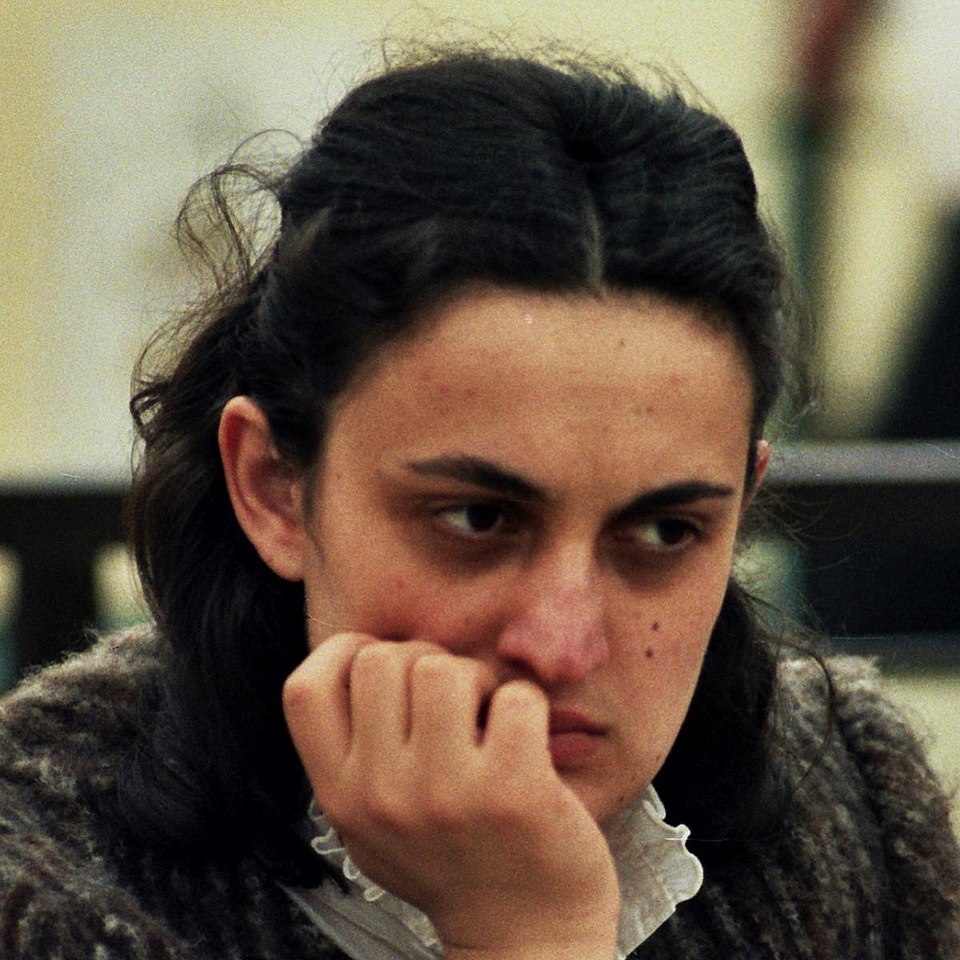
Maia Chiburdanidze won the Women's World Championship in 1978 at seventeen, taking the title from her compatriot Nona Gaprindashvili, and then held it for thirteen years until 1991. Only Vera Menchik has held it longer. She was awarded the grandmaster title in 1984, becoming the second woman to hold it.
What made her different: an aggressive, attacking player with excellent tactical vision, she also had a genuinely strong record in open events during a period when Soviet women rarely got the chance. Her nine team gold medals at the Women's Chess Olympiad — for the USSR and later for Georgia — are among the most in the event's history.
Legacy: together with Gaprindashvili she made Georgia the centre of women's chess for three decades, a tradition that still shows in Georgian results today.
5Nona Gaprindashvili (born 1941)
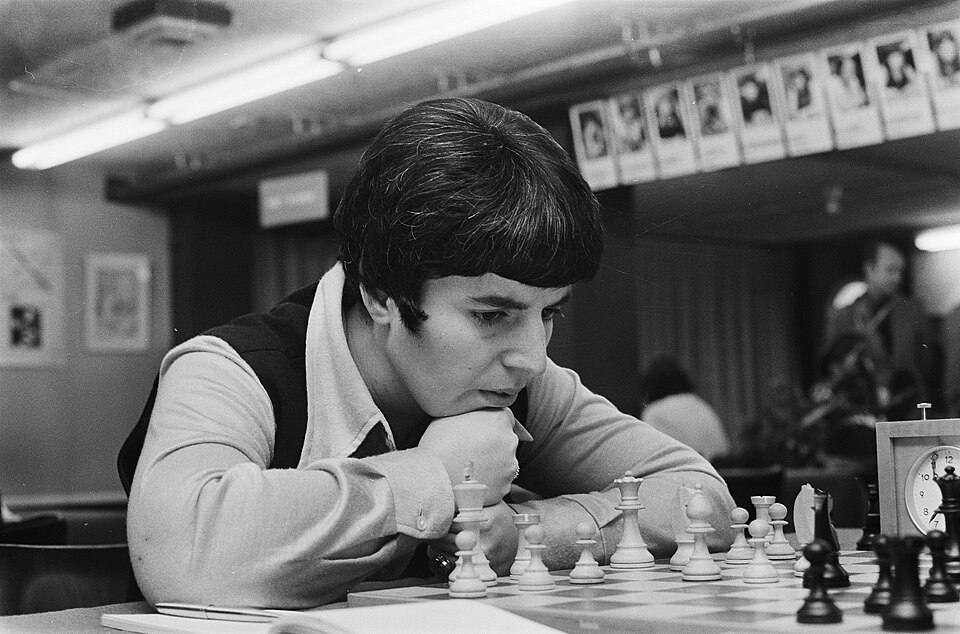
Nona Gaprindashvili was Women's World Champion from 1962 to 1978, sixteen years, and in 1978 became the first woman ever awarded the FIDE grandmaster title. She reached it the hard way, in open competition: she won the Hastings Challengers in 1963/64, tied for first at Lone Pine in 1977 against a strong international open field, and tied for second at Dortmund in 1978.
What made her different: she played men's events by choice long before it was normal, and did it well enough that FIDE had to create the precedent of a female grandmaster.
Today: she remains a public figure in Georgian chess. In September 2021 she sued Netflix over a line in The Queen's Gambit which claimed she had "never faced men" — a statement that was plainly untrue, as her own results show. The case was settled in September 2022 on undisclosed terms.
6Susan Polgár (born 1969)
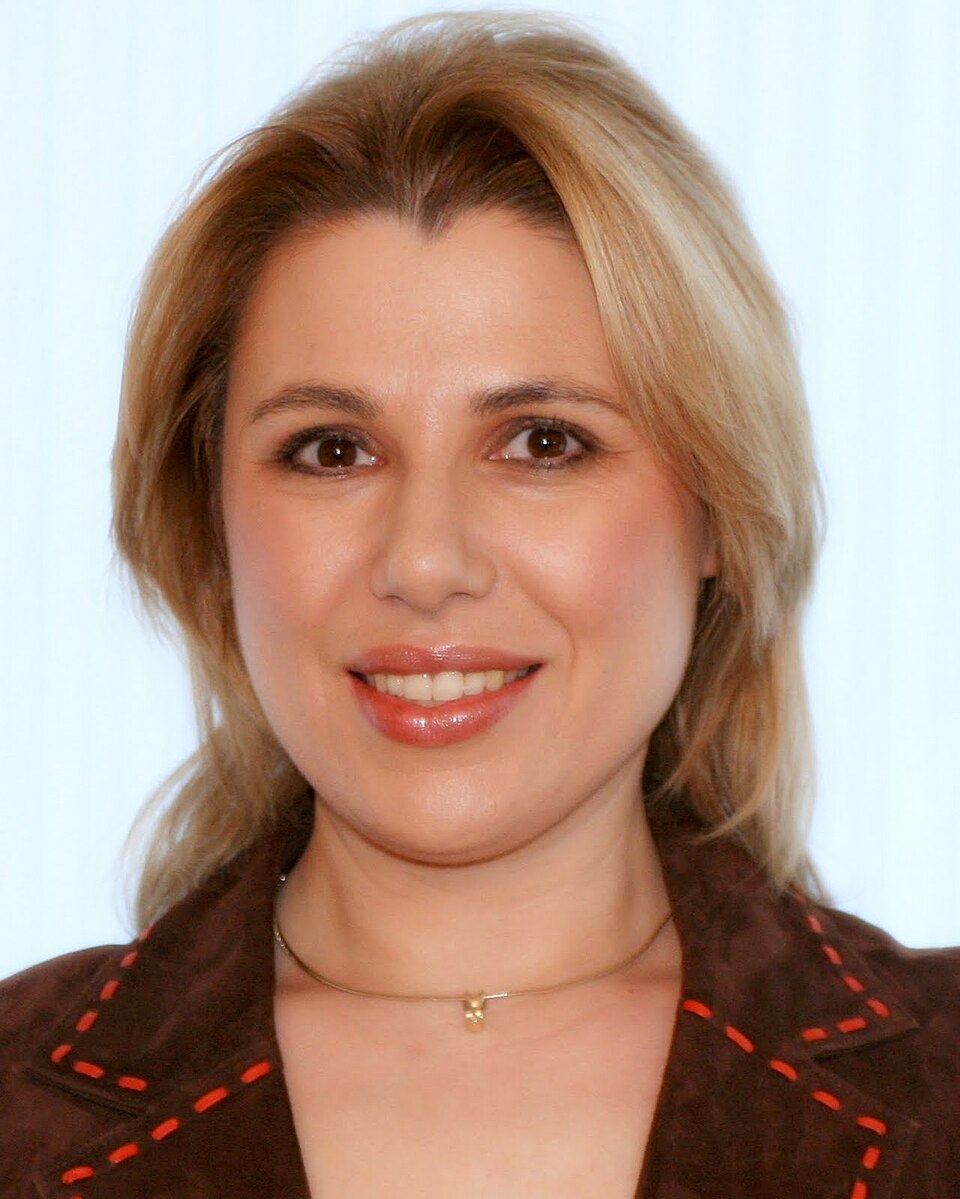
The eldest of the three Polgár sisters, Susan was the pioneer of the family. In July 1984, aged 15, she became the top-rated woman in the world. In January 1991 she became the first woman to earn the grandmaster title through the same norm-and-rating requirements applied to men, with norms from Vienna 1988, Bad Kissingen 1988 and Hastings 1990/91. Gaprindashvili and Chiburdanidze had received the title earlier, but by a different route.
She won the Women's World Championship in 1996 and held it until 1999, and is one of the few players to have won world titles at classical, rapid and blitz time controls.
What made her different: she fought the administrative battles first — for the right to play in men's events and to have those results rated normally — which cleared the path her younger sisters walked.
Today: she is a coach and administrator in the United States, running the Susan Polgár Institute for Chess Excellence (SPICE), whose college teams have won multiple national championships.
7Ju Wenjun (born 1991)
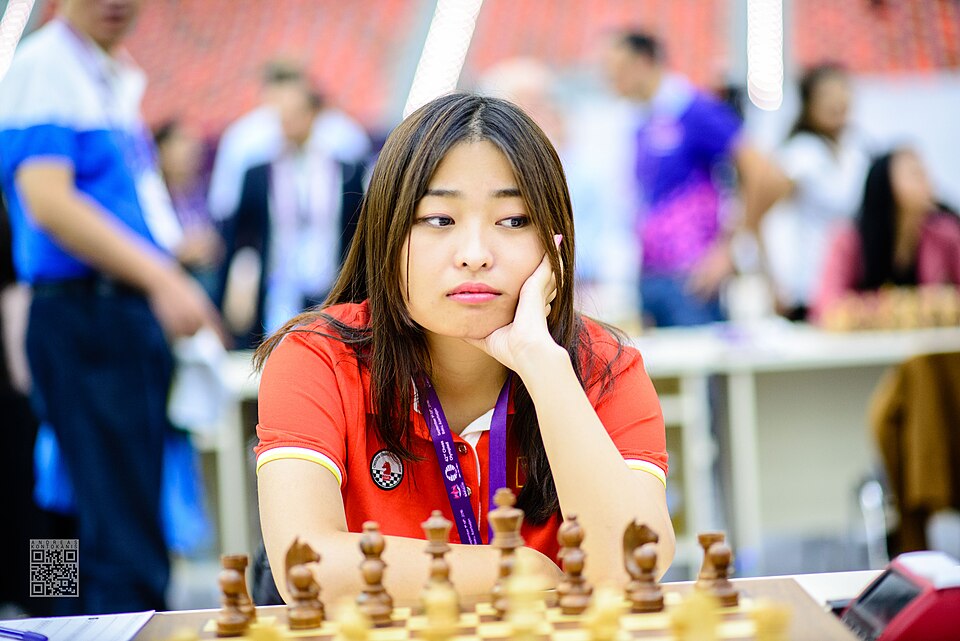
Ju Wenjun is the reigning Women's World Champion and a five-time winner of the title. She won it in a match in May 2018, retained it in the knockout event later that same year, and has defended it in 2020, 2023 and again in 2025, when she beat Tan Zhongyi 6½–2½.
What made her different: she is a positional, low-risk player who wins by out-lasting opponents rather than out-punching them — unusually hard to beat, and unusually consistent in match play, which is exactly why the title has stayed with her.
Today: still active and still champion, continuing China's run at the top of women's chess that began with Xie Jun in 1991.
8Xie Jun (born 1970)
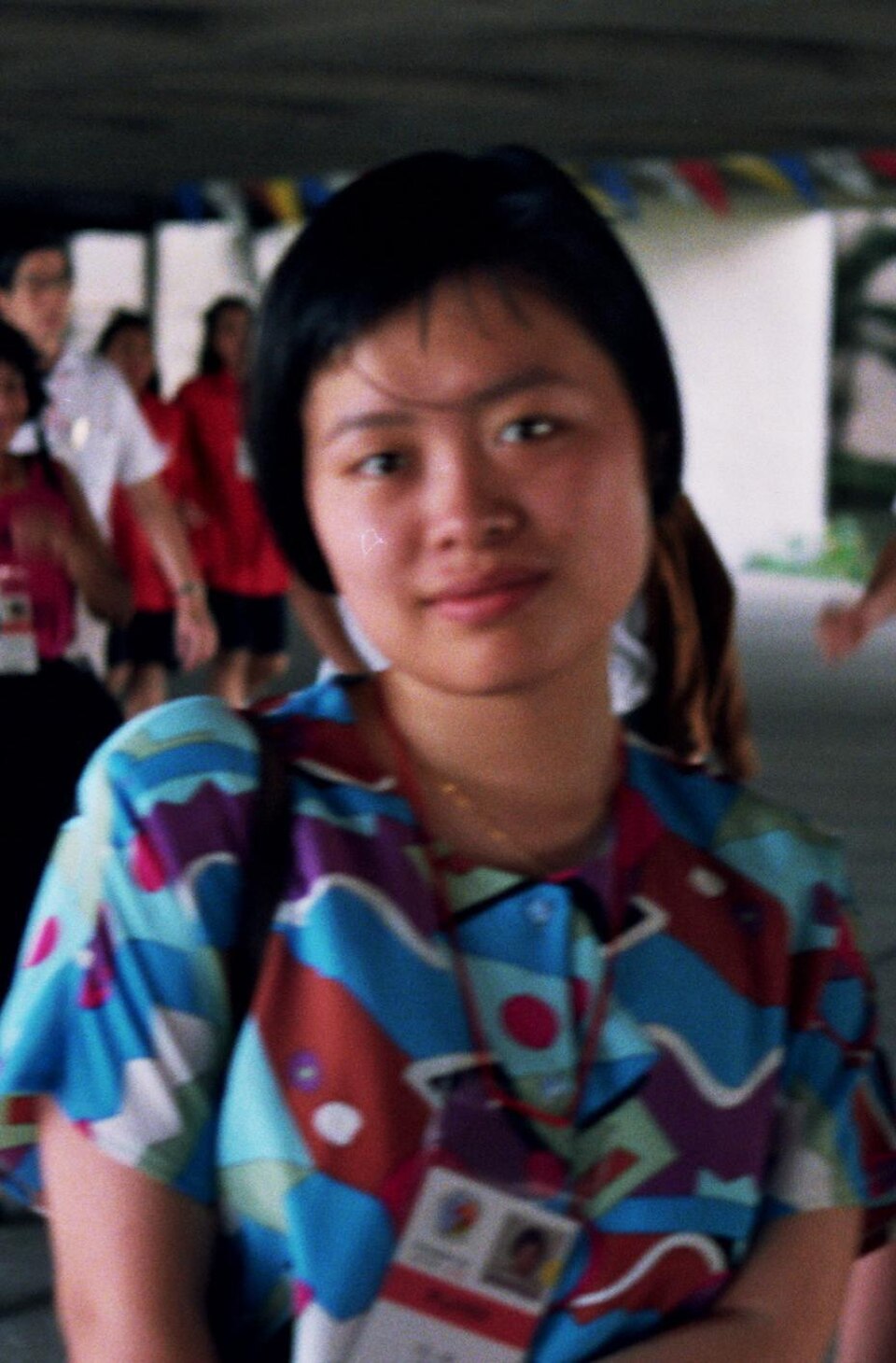
Xie Jun ended thirty years of Soviet and Georgian dominance. In 1991 she beat Maia Chiburdanidze 8½–6½ to take the Women's World Championship, becoming the first Chinese world champion in chess. She held the title from 1991 to 1996, lost it to Susan Polgár, and won it back in 1999, holding it until 2001.
What made her different: she came to international chess from xiangqi (Chinese chess) and brought a fighting, unorthodox approach with her. More significantly, her win was the starting gun for China's national chess programme — every Chinese champion since, including Hou Yifan and Ju Wenjun, followed the path she opened.
Today: she has been president of the Chinese Chess Association since April 2019.
9Koneru Humpy (born 1987)
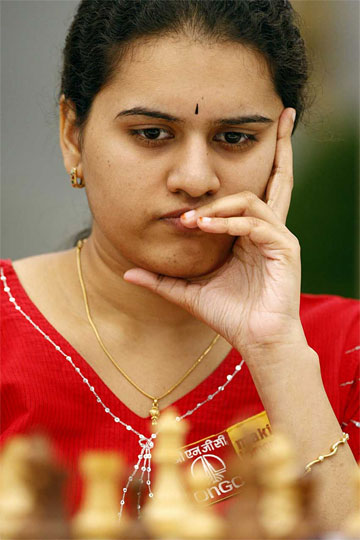
Koneru Humpy became a grandmaster in 2002 at 15 years, 1 month and 27 days — breaking Judit Polgár's record for the youngest woman to reach the title, a record since bettered only by Hou Yifan. In 2009 she became the second woman ever to cross 2600, peaking at 2623.
What made her different: a deeply prepared, technically precise player, and remarkably durable — she took a two-year break from chess after the birth of her daughter in 2017 and returned to win the Women's World Rapid Championship in 2019, then won it again in 2024. In 2025 she reached the final of the Women's World Cup, losing on tiebreaks to her compatriot Divya Deshmukh.
Today: still active and still India's highest-rated woman, at the head of a generation of Indian players now reaching the world top.
10Alexandra Kosteniuk (born 1984)
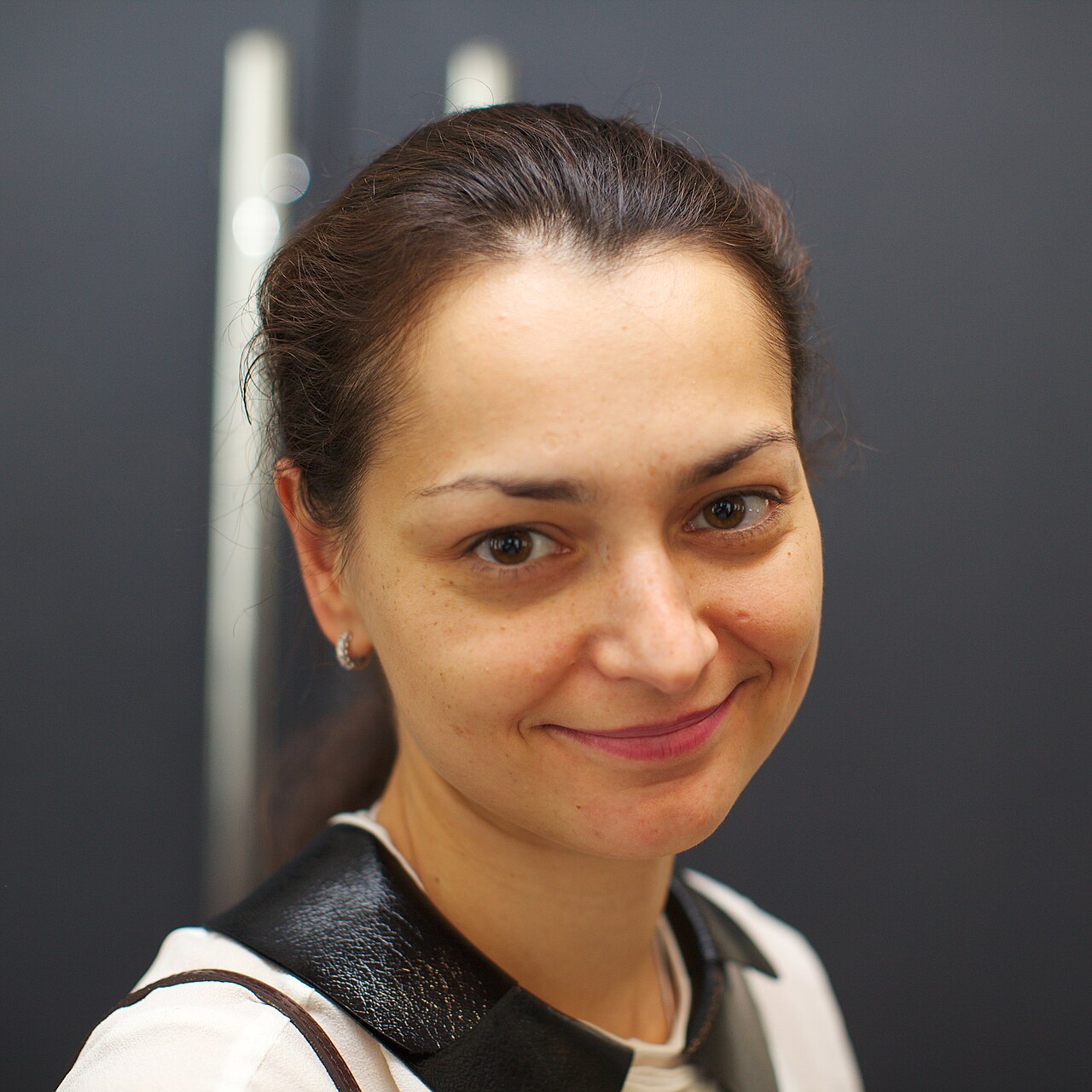
Alexandra Kosteniuk was Women's World Champion from 2008 to 2010 and has stayed near the top for more than two decades. Her record across formats is unusually broad: Women's World Cup winner in 2021, Women's World Rapid Champion in 2021, European women's champion in 2004, the first women's Chess960 world champion in 2006, and multiple team golds at the Women's Chess Olympiad.
What made her different: a sharp attacking player who has also been one of the sport's most visible ambassadors, doing more than most to bring chess to a general audience.
Today: she switched federations following the sanctions imposed on Russian players after the invasion of Ukraine, and has represented Switzerland since March 2023. She remains an active tournament player.
Who Just Missed the List
A top ten leaves out real champions. The strongest cases for inclusion:
- Aleksandra Goryachkina — one of the highest-rated women in history and a Women's World Championship challenger in 2020.
- Tan Zhongyi — Women's World Champion 2017–2018 and a repeat challenger since.
- Mariya and Anna Muzychuk — Mariya held the world title in 2015–2016; both have been world top-ten women for years.
- Antoaneta Stefanova (champion 2004–2006) and Zhu Chen (2001–2004) — both world champions in a strong era.
- Pia Cramling — one of the first Western women to reach grandmaster level, and still playing at a high level after four decades.
- Lyudmila Rudenko, Elisabeth Bykova and Olga Rubtsova — the Soviet champions who kept the title alive in the years after Menchik's death.
- Divya Deshmukh — won the 2025 Women's World Cup and earned the grandmaster title with it; on current form the most likely name to enter a future version of this list.
The Bigger Picture
One question follows every list like this: why are there so few women at the very top? The most widely accepted explanation is simply participation. Far fewer women play rated chess than men, and studies of national rating pools have found that the gap at the top of the list is close to what you would statistically expect from that difference in pool size alone. Where participation has been pushed up deliberately — Georgia in the 1970s and 80s, China from the 1990s, India today — world-class women have appeared reliably.
It is also worth being clear about the titles. FIDE runs one rating list for everybody. What is separate is a parallel set of titles — Woman Grandmaster (WGM) and Woman International Master (WIM) — awarded at lower rating thresholds than the open GM and IM titles. Every player on this list who holds "GM" holds the full open title, not the women's one.
♔ Your Own Rating Starts Today
Every player on this list started with a first rated game. Play yours free on ChessDada — classic rooms, live opponents, real Elo.
Keep Reading
Next: our ranking of the 25 greatest chess players of all time, the 10 famous games every player should study, and how the numbers in this article actually work — the Elo rating system explained and what counts as a good chess rating. Official sources: the FIDE rating database for every rating quoted here, and Wikipedia's articles on Judit Polgár, Hou Yifan, Vera Menchik and the Women's World Chess Championship.
Frequently Asked Questions
Judit Polgár of Hungary. She peaked at 2735 FIDE in July 2005 and reached world No. 8 in January 2004 — the only woman ever ranked in the world top ten — and beat eleven current or former world champions.
2735, by Judit Polgár in July 2005. Second is Hou Yifan's 2686 from March 2015. No other woman has passed 2650.
No. No woman has played in an overall World Championship match. The Women's World Championship is a separate title with its own line of champions, beginning with Vera Menchik in 1927.
She chose never to enter it, competing in open events for her whole career. That is also why her achievements are measured against the open field.
Nona Gaprindashvili, awarded the title in 1978, followed by Maia Chiburdanidze in 1984. Susan Polgár was the first woman to earn it through the standard norm-and-rating route, in January 1991.
Ju Wenjun of China, champion since 2018 and a five-time title holder. She defended most recently in 2025, beating Tan Zhongyi 6½–2½.
No — FIDE keeps a single Elo list for everyone. Only the titles are parallel: WGM and WIM have lower rating requirements than the open GM and IM titles.
Mainly participation numbers. Far fewer women play rated chess, and research on national rating pools has found the gap at the top is close to what the difference in pool size alone would predict.
Image credits
Board diagram rendered by ChessDada. All photographs are used under free licences from Wikimedia Commons:
- Judit Polgár — Ruperto Miller, CC0
- Hou Yifan — Andreas Kontokanis, CC BY-SA 2.0
- Vera Menchik — public domain (1933)
- Maia Chiburdanidze — GFHund, CC BY 3.0
- Nona Gaprindashvili — Jack de Nijs for Anefo, Dutch National Archives, CC0
- Susan Polgár — Frank Hoppe, CC BY 2.5
- Ju Wenjun — Frans Peeters, CC BY-SA 2.0
- Xie Jun — GFHund, CC BY 3.0 (cropped; the cropped version is released under the same licence)
- Koneru Humpy — Seshudak, CC BY-SA 3.0
- Alexandra Kosteniuk — Yunfan Zhao / Lichess, CC BY-SA 4.0
Was this article helpful?